Home / Programs / Residential Addiction Treatment / Alcohol Addiction Treatment
Alcohol Rehab in Georgia
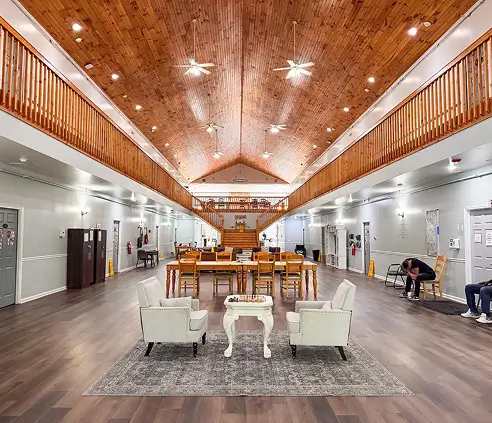
Receive professional alcohol addiction treatment at Mount Sinai Wellness Center in Dahlonega, Georgia, near Atlanta. Our residential rehab program combines medical detox, therapy, and mental health care in one structured setting.



What Is Alcohol Rehab?
Alcohol rehab helps people recover from alcohol addiction through medical care, therapy, and relapse-prevention support. Treatment often begins with detox and continues with residential care focused on long-term recovery.

Signs You May Need Alcohol Addiction Treatment
Alcohol addiction can affect your health, relationships, work, and daily life. Early treatment may help lower the risk of serious physical and mental health problems.
Common signs of alcohol use disorder include:
- Drinking first thing in the morning
- Feeling anxious, shaky, or sick without alcohol
- Hiding or lying about drinking
- Missing work, school, or responsibilities
- Blacking out or forgetting events
- Needing more alcohol to feel the same effects
- Continuing to drink despite consequences
- Feeling unable to stop drinking
Why Choose Mount Sinai Wellness Center

Your treatment plan is tailored to your recovery needs, goals, and medical history.

Our medical and nursing teams provide around-the-clock support during detox and treatment.

We treat addiction and mental health conditions together in one program.

Daily schedules include therapy, wellness activities, education, and relapse-prevention support.
Alcohol Detox and Residential Treatment
Many people begin treatment with medical detox. Our medical and nursing teams provide 24/7 care to help manage alcohol withdrawal symptoms safely.
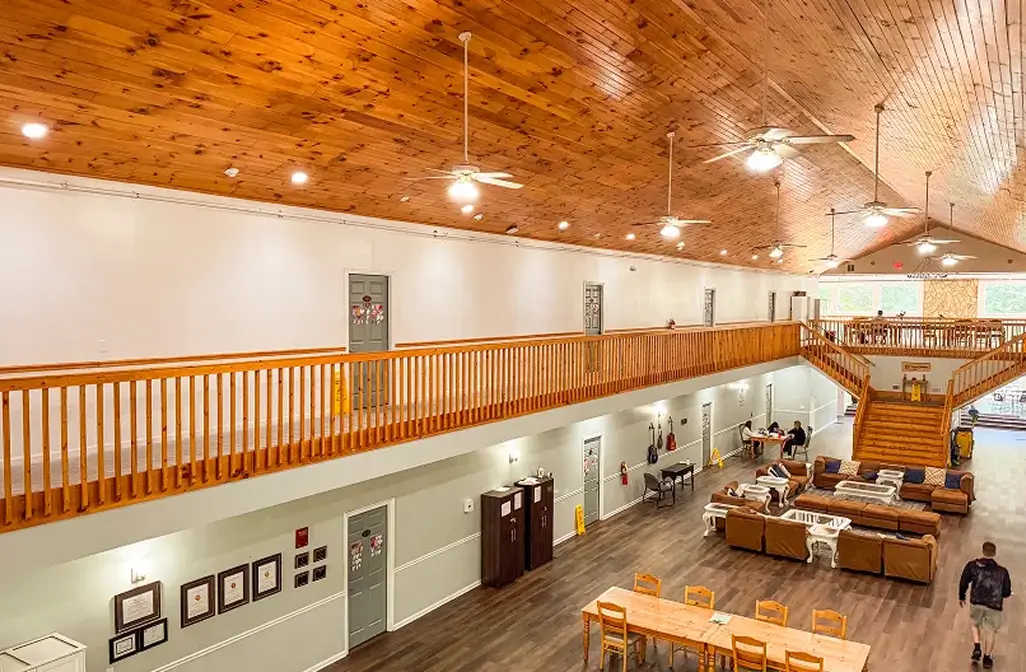
After detox, you can transition into residential rehab without interruptions in care. Residential treatment provides daily structure, therapy, and support in a substance-free setting.
Heroin Withdrawal Timeline
Evidence-Based Alcohol Rehab Therapies
Your treatment plan may include therapy, recovery education, wellness activities, and relapse-prevention support.
Individual and Group Therapy
Individual therapy helps you understand the causes of drinking. Group therapy provides support from others in recovery.
Cognitive-Behavioral Therapy (CBT)
CBT helps you identify unhealthy thoughts and behaviors linked to alcohol use and develop healthier coping skills.
Dual Diagnosis Treatment
Many people with alcohol addiction also struggle with anxiety, depression, or trauma. Dual-diagnosis care addresses both at once.
How Long Does Alcohol Rehab Last?
Treatment length depends on your needs, drinking history, and recovery progress. Many people begin with 5 to 7 days of detox followed by 30 to 45 days of residential rehab.
Some people may benefit from longer treatment or outpatient support after inpatient care.

Reviews
This treatment facility is perfect for anyone that wants to get sober. If you have the will they have the tools you need to get and stay sober. The therapist care about their patients and their recovery. The community at Mt Sinai is like a family and patients feel loved and supported immediately!

S.W.

I can honestly say that not only did Mt. Sinai save my life, but they have helped me enhance the quality of the rest of my life. The facilities are incredible, the staff is genuine and I they truly care about the quality of your stay and the success of your recovery. I also have to give a special thanks to the owner, my main man Dan. The guy goes above and beyond to help his patients/clients feel like they matter. I will never be able to thank everyone there enough.
S.L.
Mount Sinai changed my life for the better. I was in a spot that I couldn’t find my way out of and this place gave my life a new meaning. I’m beyond grateful that I found MS. Everyone who was working there, showed great empathy and kindness, especially Marshall. I could’t have asked for a better experience
K.S.
Absolutely amazing facility! They offer a lot of different pathways to recovery and do some great activities. I was definitely impressed! Thank you Lake!
C.D.
The staff comes to you and remembers your name and the medical staff is very competent and responsive to treating you day-to-day health.
B.J.P
Cost and Insurance
Many insurance plans and Employee Assistance Programs (EAPs) cover medically necessary detox and residential programs. Our admissions team can verify your benefits and explain what’s covered before you start.













Don’t see your provider?
Call us at 800-353-4673 or verify insurance, and we’ll confirm your coverage.
Start Your Recovery Today
Alcohol addiction can feel overwhelming, but help is available. Mount Sinai Wellness Center provides medical detox, residential rehab, and therapy to help you stop drinking and start recovery.

Frequently Asked Questions
How do I get help for alcohol addiction?
The first step is reaching out for a professional assessment. Treatment may include medical detox, residential rehab, therapy, and ongoing recovery support based on your needs.
Is medical detox necessary for alcohol addiction?
Alcohol withdrawal can be dangerous for some people. Medical detox provides 24/7 monitoring and care to help manage symptoms safely and reduce health risks.
Can I go to rehab if I relapse?
Yes. Relapse is common during recovery and does not mean treatment failed. Returning to rehab can help you regain stability and strengthen relapse-prevention skills.
What therapies are used during alcohol treatment?
Treatment may include individual therapy, group counseling, cognitive-behavioral therapy, dialectical behavior therapy, relapse prevention, and family support services.
Do you treat mental health conditions alongside addiction?
Yes. Dual-diagnosis treatment helps address addiction and mental health conditions like anxiety, depression, and trauma at the same time.
Is alcohol rehab covered by insurance?
Many insurance plans cover medically necessary detox and residential alcohol rehab. Our team can verify your benefits before treatment begins.
Can family members be involved in treatment?
Yes. Family involvement may include therapy, education, and support to help improve communication and strengthen recovery.
What happens after rehab?
After rehab, many people continue recovery through outpatient care, support groups, relapse-prevention planning, and alumni support programs.
Featured Articles