


Veterans are around two to three times more likely to develop a substance use problem than civilians, and this isn’t about resolve. We have to consider what this career path does to a person: combat exposure, chronic pain, brain injury, and always being on the move.
If you served and you’re drinking more than you used to, or have a pain prescription that has become less about pain than habit, this is why. It isn’t a character flaw; it’s a predictable result of specific, well-documented risks.
What the Numbers Show
According to the VA’s National Center for PTSD, veterans who have a lifetime history of PTSD are about twice as likely to develop alcohol problems and three times as likely to develop drug problems compared with veterans who never had PTSD.
If we extend that to the broader adult population, the same source states it is closer to 45%, or nearly half of adults with PTSD also dealing with drug or alcohol issues. Those figures shift depending on the service era, branch, and deployment history, but the overarching pattern stays the same.

The Risk Factors Specific to Service
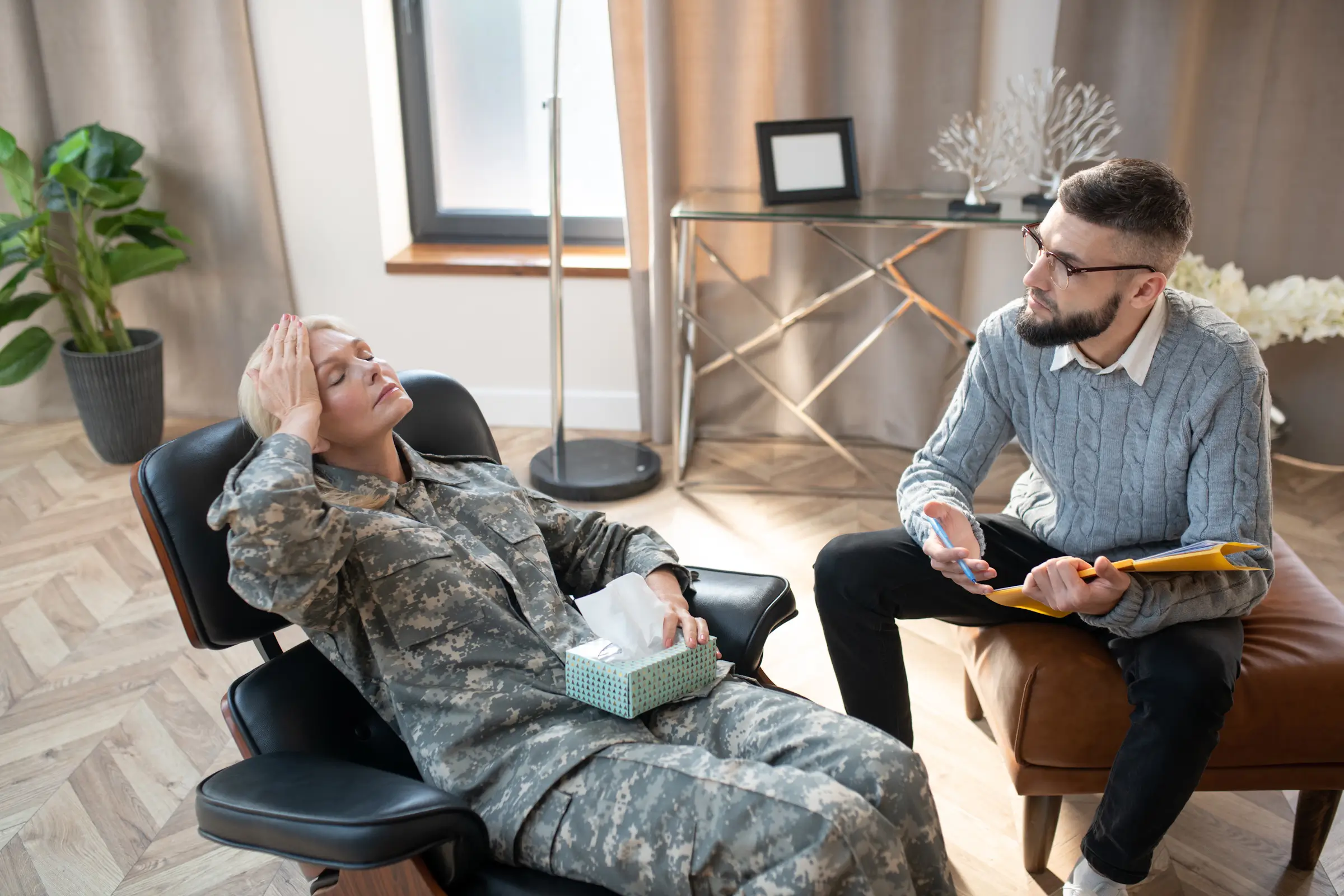
Combat Exposure and PTSD
Exposure to combat is the clearest link and is tied most directly to substance use. The connection between trauma and substance use is simple: being on edge all the time is physically and mentally draining, and alcohol switches that off for a few hours.
Traumatic Brain Injury
Blast exposure, vehicle accidents, and being injured during training all cause brain injuries. On paper, this may seem mild, but in reality, it feels like anything but. TBI (traumatic brain injury) brings impaired impulse control, disrupted sleep, a short temper, and low mood, each of which can raise the odds of substance use.
TBI is also often missed or misdiagnosed entirely, especially if there was no loss of consciousness and no reason at the time to make a note of the injury.
Chronic Pain and Prescription Opioids
This is the path that catches most people off guard. Military service is hardcore, and it wears down the body: backs, knees, joints, years of strain. Injuries happen, they’re treated and may require surgery, and the recovery process or long-term discomfort may involve prescription medication like opioids to manage the pain. None of this is abnormal.
But in some cases, the prescription ends, and the pain doesn’t. Self-medication, especially with opioids, is always risky, though.
Military Sexual Trauma
MST impacts service members of every gender. It is strongly linked to PTSD and substance use disorders alike, and tends to surface later than combat trauma. MST is also disclosed less often, which means it can go untreated for years. The VA offers MST-related care for anyone who needs it, regardless of whether the incident was reported at the time or not, and in many cases regardless of discharge status.
Moral Injury
Moral injury is not the same as PTSD, though the two are often confused.
PTSD is a fear response at its core. The body learned that something was dangerous, and is struggling to unlearn it. Moral injury develops from a very different origin: a person doing something, witnessing something, or failing to stop something that crosses their moral line.
It’s not fear or a startle reflex; it boils down to guilt and shame. People with moral injury describe struggling to live with themselves rather than struggling to feel safe. For this reason, standard PTSD treatment doesn’t always help. It requires a specialized treatment plan, one developed specifically to target deep-seated guilt and shame.
The Transition Out
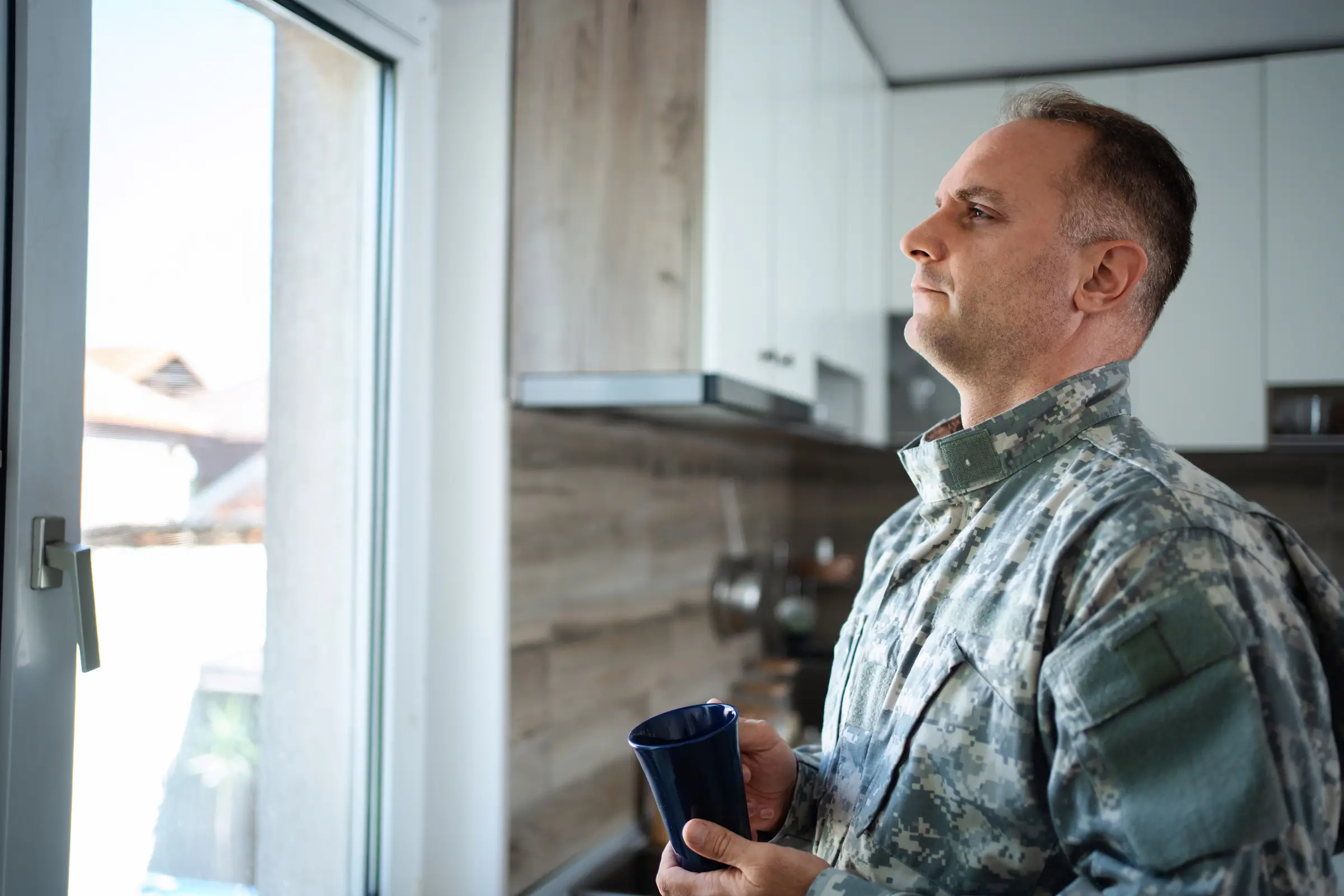
Structure Loss
The military provides structure that civilian life doesn’t naturally supply: when to wake up, where to go, what to wear, who has authority over you, and where you’ll do whatever is “next.”
Take all that away suddenly, particularly from a person struggling with pain or poor sleep, and you’re left with days full of empty hours. Substances are an easy way to fill empty hours like that.
Unit Loss
When you depend on people to watch your back through life-or-death situations, you gain a camaraderie that’s difficult to replicate anywhere else. Most veterans say they miss the deep bonds with their comrades more than anything else about service life.
You can have great friendships in civilian life, which can feel lesser by comparison, not because civilians are lacking but because the hectic environment required to form that deep connection is absent.
Mission Loss
Feeling like you were a part of something important, and suddenly not being part of anything: loss of mission is categorized in the four dimensions as a purpose breakdown. It’s one of the most prevalent problems within the first year back from service.
Why Year One After Service Is High Risk
Someone returning to civilian life after service will experience all three of these at the same time, often alongside a move, a job hunt, a change in income, and navigating a healthcare system that operates nothing like the one you relied on for years.
If you (or someone you love) are in that first year, know that it’s an identified high-risk period. It does not mean you have failed to adjust.
Drinking Culture in the Military
Drinking runs through military social life across every branch and era: unit events, homecomings, promotions, deployments ending, bad days that need marking somehow.
Two things follow from that. Heavy drinking gets normalized to the point where noticing your own shift becomes genuinely hard. And the comparison group is skewed, since measuring your drinking against people you served with will almost always tell you what you want to hear.
Why Veterans Do Not Ask for Help
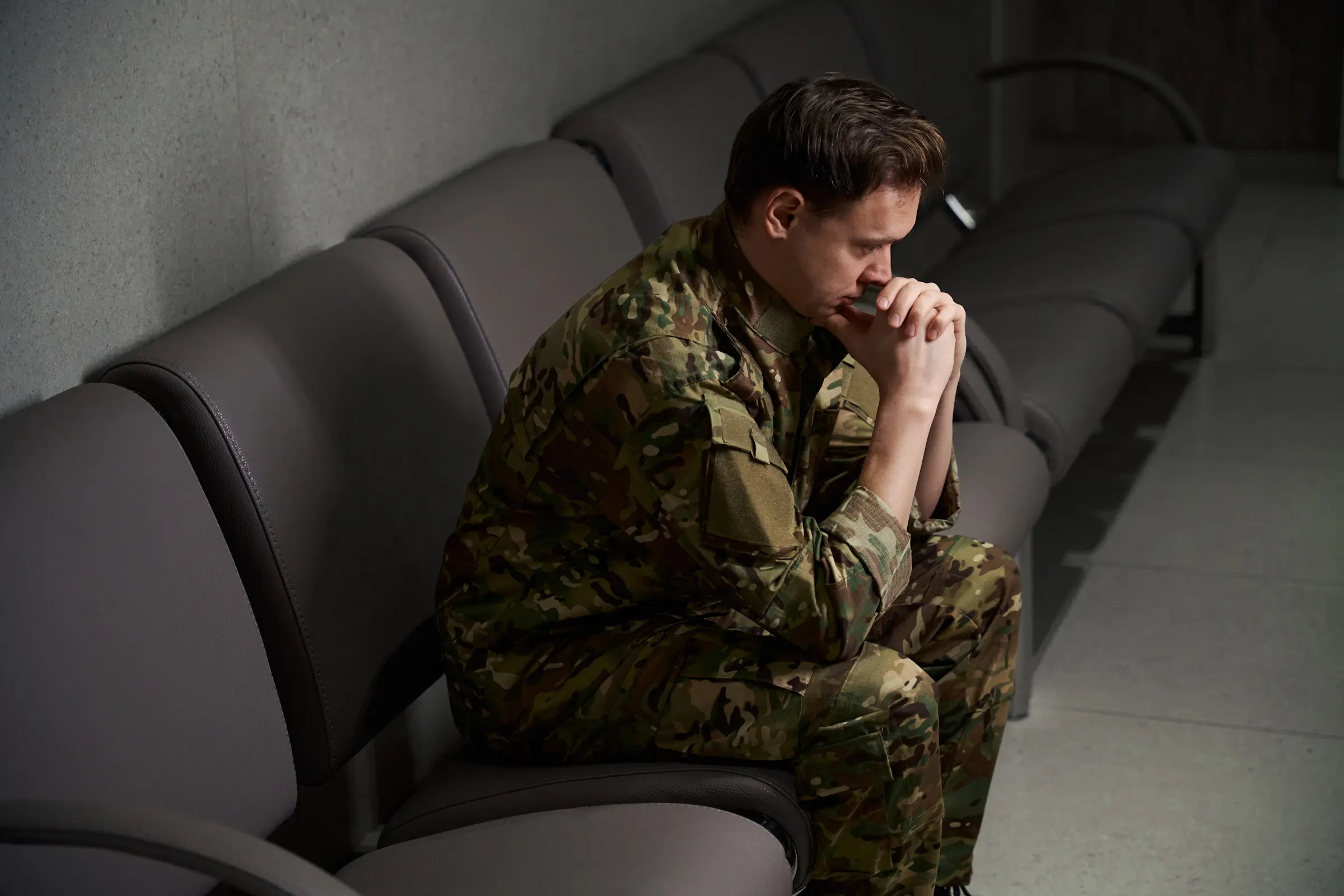
Self-Reliance as Training
The military teaches you to take care of yourself. You learn never to be the weakest link in the chain and figure things out on your own. This training doesn’t turn off after you leave the military, and it is by far the greatest obstacle to seeking help in this population.
Fear of the Effect on Benefits
The number one practical fear veterans have is that they will lose a disability rating, a claim, or even access to care altogether by admitting they have an issue with drugs or alcohol.
Fear of Being Seen as Weak
Tied in with the above, this is less about paperwork and more about reputation, particularly for those who used to have lives literally depending on them.
Not Wanting Civilian Clinicians
This is another common one, and an understandable one at that. Having to explain your military background story before you can even explain your problem is tiring. Sitting in front of someone who 100% obviously has no clue what you’re talking about can feel futile.
Side note: plenty of clinicians specializing in this field are veterans themselves. Many peer support programs specifically match vets with other vets.
What the Fear About Benefits Gets Wrong
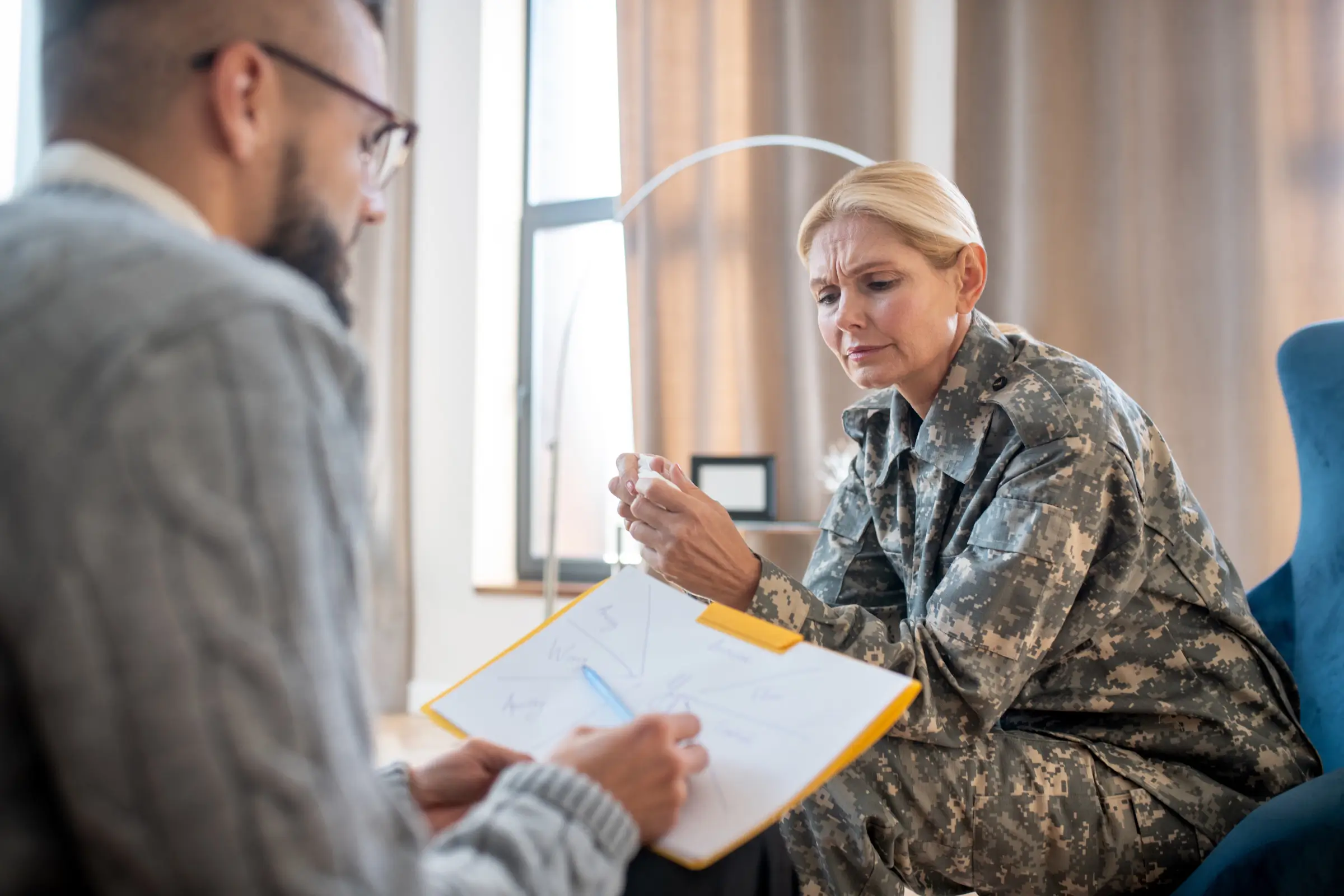
This section deserves special attention, because it’s the misconception holding most Veterans back from seeking help.
In general terms, asking for help with a substance use disorder will not automatically decrease or forfeit VA disability compensation. There are protections around confidentiality with VA health care. Substance use can sometimes be considered secondary to a service-connected condition like PTSD, but that’s a separate issue from whether or not requesting help will be punished.
It is highly specific to each individual’s circumstances: type of discharge, claim history, which benefit in question, etc. All of that factors into the equation.
What can be said absolutely is this: the worry does far more damage than it has any right to, and speculation isn’t helpful. Talking to Accredited Veteran Service Officers who deal with these concerns exclusively for free and will keep your information confidential is the best course of action.
For Spouses and Families
What You Are Seeing
- Shorter fuse than usual
- Irregular or nonexistent sleep pattern
- Physically present and emotionally absent
- Functioning drinking instead of recreational drinking
- Avoiding groups, plans, or discussions about it all
How to Raise It
- Pick a time that isn’t in the middle or immediately after an episode
- Share what you’ve observed, not what you’ve interpreted from their behavior
- Be concise and to the point
- Ask, then stop talking and let it sit
- Be prepared to have to ask more than once; being brushed off once or twice doesn’t mean they will never listen
What Not to Say
Don’t use ultimatums made in anger, don’t compare them to other vets you know, and please, try not to start sentences with “you used to be.” Try not to frame it as though it’s happening to you, even if it kind of is.
It’s also never wise to ask them what happened over there. That’s another conversation entirely, and it’s usually the quickest way to shut this one down.
For National Guard and Reserve
Guard and Reserve members often carry the same weight with far less structure around them. They deploy, then come home not to a base but straight into a job, a town, and a family that kept moving without them, sometimes within days.
Their benefit eligibility also varies more, so a lot of them assume they don’t qualify for support when they actually might. If you’re not sure, that’s a question for a Veteran Service Officer, not an assumption to act on alone.
Where Veterans Can Turn
The Veterans Crisis Line
Dial 988 and press 1, text 838255, or reach out online any hour of the day. You don’t need to be enrolled in VA health care, and you don’t need to be in immediate danger to use it.
VA Services
The VA provides substance use treatment at a range of intensities, including community-based care if needed. Your local VA facility is the right starting point for an assessment.
Veteran Service Organizations
VSOs offer free, accredited help with benefits and claims, and they’re the right first call for any question about how getting help might affect what you’re owed.
Peer Support for Veterans
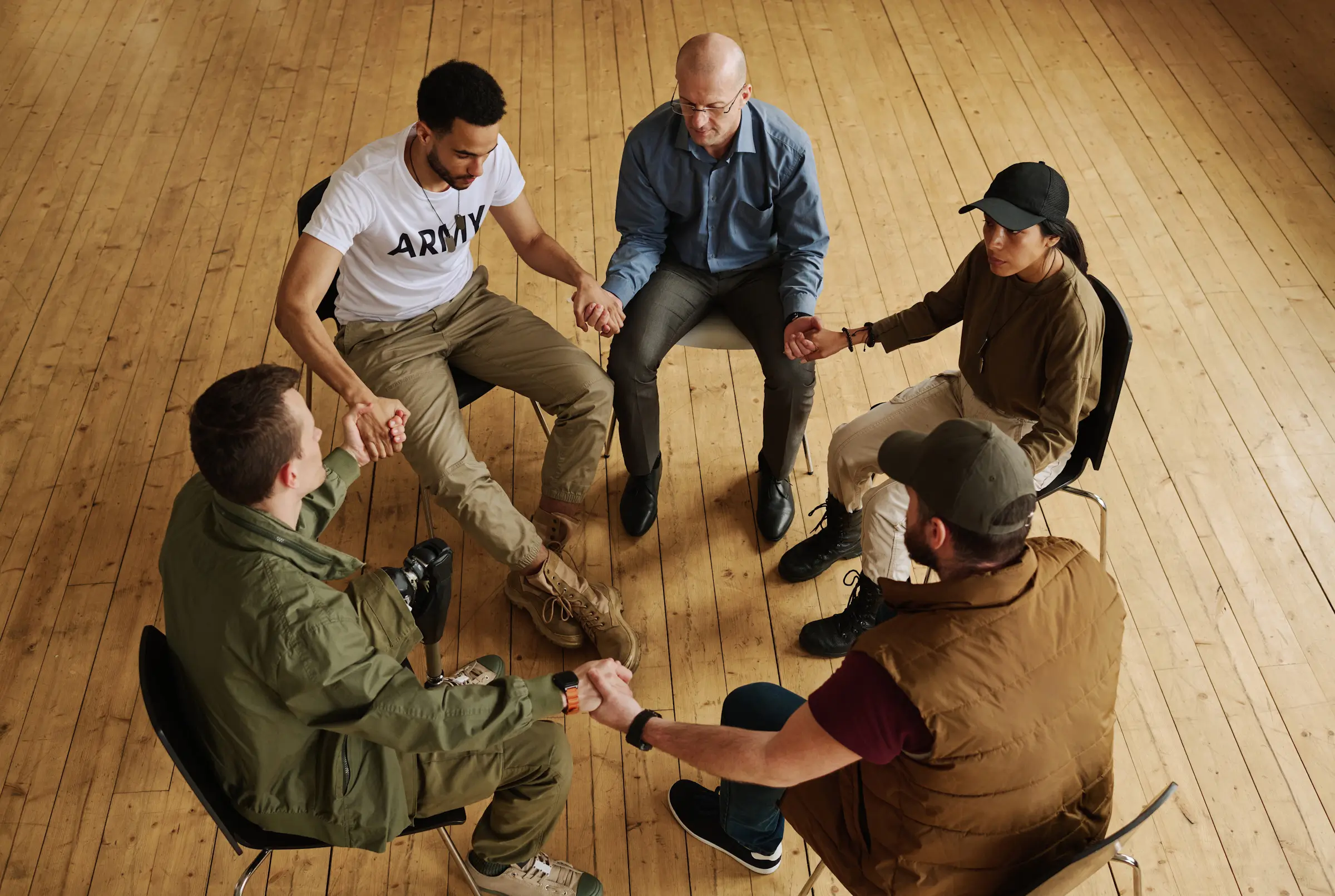
Peer specialists who’ve served themselves work within VA and community programs, and many mutual support groups run meetings built specifically for veterans.
Recovery Month: Recognizing Veterans in Recovery
There’s a version of this piece that closes with a rousing line about service and sacrifice. We’re skipping that, because most veterans find that tone alienating, and it tends to replace something useful rather than add to it.
Here’s the simple version instead. A lot of veterans are hauling around pain they picked up while doing difficult things that someone else asked them to do. They’re not going to mention it; their training and their conscience prevent them from doing so.
September is Recovery Month, which is a great excuse to help those first few steps seem less intimidating for someone you love. If that’s you, picking up and calling a VSO doesn’t mean you’re sending anyone anywhere. If you’re the veteran in question, one honest, sympathetic question is more powerful than a month of hoping they’ll bring it up.
Frequently Asked Questions
Do Veterans Have Higher Addiction Rates?
Veterans with a history of PTSD run roughly two times the risk of alcohol problems and three times the risk of drug problems compared with veterans without it, per the VA’s National Center for PTSD. That risk shifts by era, branch, and deployment history.
Will Asking for Help Affect My Benefits?
Seeking treatment doesn’t by itself remove disability compensation, and VA care carries confidentiality protections. The specifics depend on individual circumstances, and an accredited Veteran Service Officer can walk through it for free without reporting anything you share.
Is There Veteran-Specific Support?
Yes. The VA provides substance use treatment, peer specialists who have served are available in many settings, and several mutual support organizations run meetings built just for veterans.
Veterans Crisis Line: dial 988 and press 1, or text 838255.