


Alcohol is a depressant that also treats depression symptoms in the short term, then makes them worse. That contradiction is what prompts the question of which came first: alcohol or depression? By the time people ask, the loop is firmly in place, and the two conditions have been feeding each other for years.
Understanding the loop is more fruitful than trying to figure out when it began or which condition manifested first. What you need to know is how the cycle continues and what it takes to break it.
The Loop
Here’s the usual chain of events: your mood drops. A drink helps to lift it, but this fades as the alcohol wears off, and you feel a little lower than before. So you have another drink to fix that. Your sleep is disrupted, which brings your mood a little lower still the next day. So tomorrow you have your first drink a little earlier.
Months in, the alcohol is now the reason behind the low mood it was initially supposed to fix. These conditions exist side by side, each fueling the other, and untangling which came first is futile.

What Alcohol Actually Does to Mood

The Short-Term Lift
Alcohol is a central nervous system depressant, a confusing label that doesn’t feel like the right term. After a few drinks, people feel less anxiety, less inhibition, and a mood boost. Generally, they feel better than they did before.
That is true. It’s also temporary, though, typically lasting an hour or less once the drinking stops at its peak, but this is the foundation the cycle is built on.
The Next Day Drop
What comes next isn’t discussed much. As your body clears the alcohol from your system, your central nervous system overcompensates. You may feel a sharp jump in anxiety, a flat mood, irritability, or difficulty concentrating.
The key piece of information is that this usually leaves you feeling worse than where you started. It doesn’t return you to baseline; it pushes you below it, which creates a new reason to drink that didn’t exist before the first glass.
What Sustained Drinking Does
Over time, those effects compound. Your sleep suffers on a fundamental level (especially REM sleep), and lack of sleep alone is one of the best predictors of a bad mood in anyone. Alcohol use damages nutrient absorption, including B vitamins linked to brain functioning. Relationships, work, and finances take hits that then give you legitimate reasons to feel awful.
At this point, this stops being a simple neurochemical issue. The drinking is starting to cause real consequences, which you then have to deal with. Feeling low about that situation makes sense.
Substance-Induced Depression

Here’s the part that matters, and what most doctors don’t disclose.
Some depression that shows up in tandem with alcohol use is not an independent depressive disorder. It’s depression that’s being manufactured by the alcohol itself. Clinically, it’s diagnosed as a standalone condition.
How Clinicians Tell the Difference
Clinicians will determine this largely through timing and what happens during sobriety. Were they depressed before starting to drink heavily? Was there a period of sustained sobriety, and how was their mood during that time? Do they have a family history? Did symptoms develop during adolescence, before drinking began?
No single answer is conclusive, but looked at together, they build a clearer picture.
Why It Takes Weeks of Abstinence to Know
Time spent without alcohol is the best diagnostic tool. Substance-induced depression will usually improve within the first few weeks sober. An independent depressive disorder will not.
That’s why clinicians will often withhold a definitive depression diagnosis through the first week or two of sobriety, then reassess after someone has gone several weeks without drinking. They’re not brushing you off or avoiding a diagnosis; it’s the most accurate way to answer for sure.
What Often Lifts on Its Own

For many people, a large part of what felt like depression improves with sustained sobriety, restful sleep, and just eating regular food again.
This can be useful to know up front. Because weeks one through three of sobriety are flat, gray, and joyless for so many people, it’s easy to assume that their depression was the real problem and quitting drinking hasn’t helped. Sometimes that is the case, but often it’s just too early to tell.
When Depression Came First
For plenty of people, depression was the first condition.
Self-Medication
Everyone experiences depression differently, but most people who’ve experienced it will be familiar with anhedonia: when things that used to feel good and bring pleasure no longer do. Alcohol offers an immediate rush to someone whose brain can’t quite make that happen by itself right now. It’s reliable and easily purchased.
It also quiets rumination, that endless parade of exhaustion-inducing thoughts that run through your head with depression, for however long the alcohol’s effect lasts.
Why It Backfires
So why does this not work over time? Because of everything covered above. The very reason alcohol improves mood in the short term is exactly why it messes with it in the long term. One cannot come without the other; there’s no avoiding the morning after, and that math can’t be changed.
The Danger Zone
Alcohol, Depression and Suicide Risk
This is the most important section on this page. Suicide risk is massively elevated when alcohol and depression are combined. This isn’t weak science or a fringe finding; it’s well-established.
Why Impulsivity Rises
One (depression) supplies the thought. The other (alcohol) removes whatever might’ve stopped you from acting on it.
Depression can lead you to consider suicide; alcohol shuts down your inhibitions, accelerates decision-making, and weakens your ability to consider consequences or think past the present. Someone who’s had passive suicidal thoughts for months will suddenly find themselves at much higher risk when alcohol is used.
Alcohol also worsens low mood over time, and most people drink alone, which removes the layer of loved ones who might notice something’s off or intervene.
When to Get Urgent Help
If any of these relate to you, seek support today:
- Thoughts of ending your life
- A plan or the means to act on it
- Giving belongings away
- Saying goodbye to people
- A sudden unexplained calm after a period of despair
- Drinking alone specifically to stop thinking
Call or text 988. You don’t need to be in immediate danger to use it; just reach out if you need someone to talk to.
What Recovery Does to Mood Over Time
Weeks One to Four
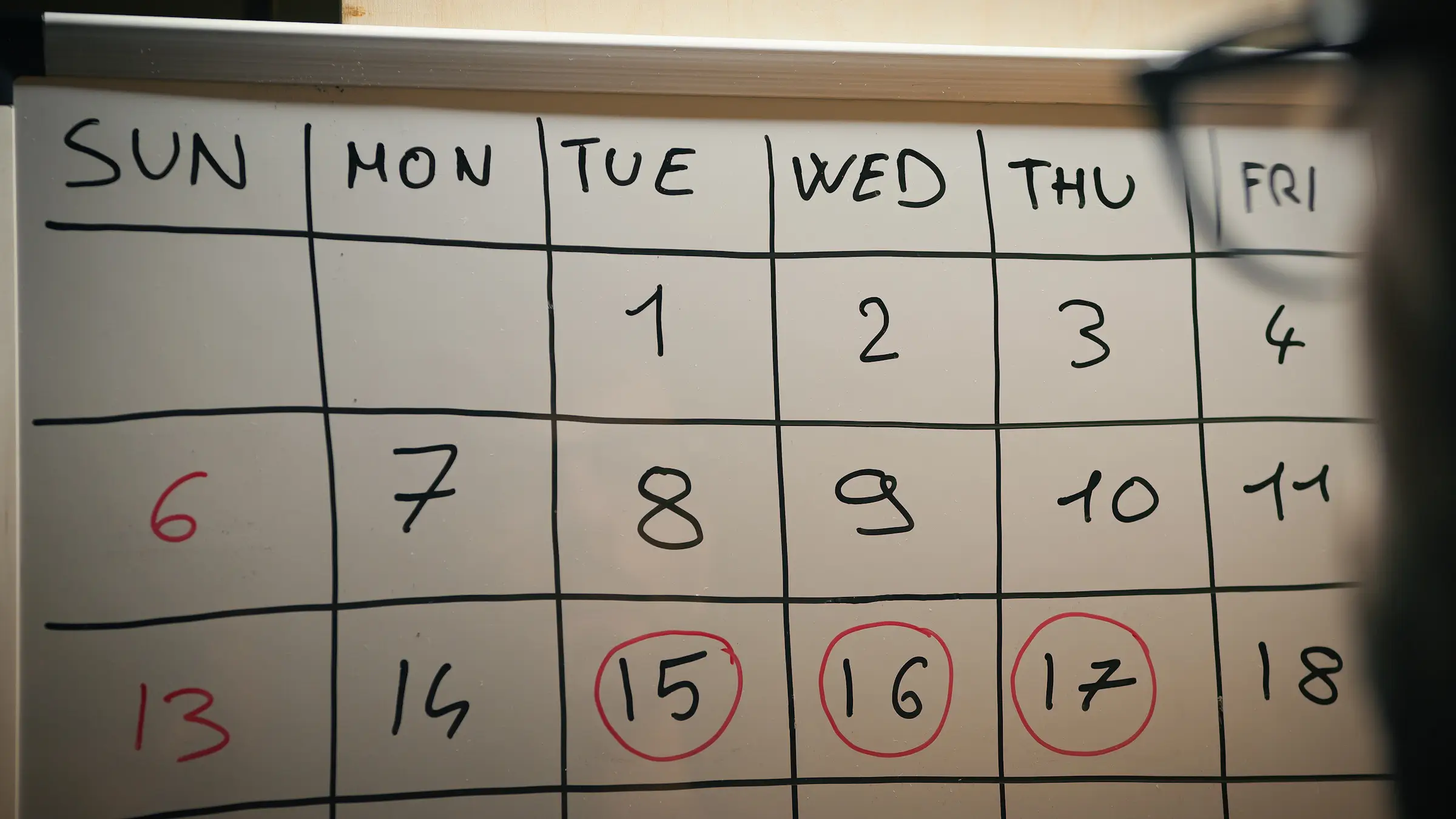
It often feels worse before it gets better. Withdrawal, interrupted sleep, and REM rebound all happen in this phase. Anxiety often spikes, and your mood will swing between flat and highly erratic.
Almost no one feels good during week two. Many people decide that quitting alcohol has made them feel worse, and they were wrong to quit. It’s much too early to make that decision.
Months Two and Three
Sleep typically starts regulating itself around an actual schedule. Focus often returns in waves, and your mood usually improves in this time. This is also approximately when you can start seeing what’s below the alcohol, if those symptoms are still there.
When to Reassess
If after a solid month or two of sobriety your mood hasn’t budged or improved, that’s helpful data. It’s not that recovery isn’t working. It points toward clinical depression that does require treatment, yes, with antidepressants, but also with therapy, coping skills, and restored neurochemistry.
Why Antidepressants Alone Often Are Not Enough
A common pattern:
- Person tells doctor they’re feeling down.
- Doctor never asks about drinking, or person doesn’t mention it.
- Doctor prescribes antidepressants.
- Patient tries it for months and tells doctor it did nothing.
Several things can cause this. Alcohol disturbs your sleep and mood regardless of what medication you’re taking. It also continues to create the exact circumstances that cause suffering. If someone is dealing with substance-induced depression, their antidepressants are targeting a set of symptoms that alcohol is still causing every night.
Antidepressants do work. They can be a vital part of someone’s recovery. But trying them while still drinking heavily doesn’t give them enough room to do their job.
Stopping Safely
Why Heavy Drinkers Should Not Stop Abruptly
Not stopping suddenly is incredibly important, and isn’t discussed nearly often enough.
Alcohol withdrawal is unique among most substances because it is often highly dangerous. If someone is drinking heavily and daily, stopping “cold turkey” can cause seizures and delirium tremens. Both are potentially fatal.
If you’re drinking daily, cut down heavily, or both, please consult your doctor before quitting.
What to Do Instead
Talk to your doctor before quitting if:
- You’re a daily drinker
- You’ve been drinking heavily for weeks/months
- You have experienced shakes, sweats, or nausea after stopping
- You’ve had a seizure after drinking previously
Medically supervised withdrawal is routine care, and asking for that evaluation doesn’t cost anything.
For Families

There are two things families should know.
One, depression and alcohol use will not improve by encouraging someone to “drink less” or “cheer up.” Recovery is difficult, and it’s far more likely to fail if you’re trying to remove part of a structure that’s currently holding itself up.
Two, if you’re concerned someone will hurt themselves, ask them directly. Asking someone if they’ve thought about killing themselves does not cause them to. You’re not going to push them into doing anything. But it is something that reliably helps, since it gives them the space to say yes.
Frequently Asked Questions
Is Alcohol a Depressant?
Yes. Alcohol is a central nervous system depressant. The initial lift most people feel comes from reduced anxiety and inhibition, followed by a rebound that drops mood below where it started.
Can Quitting Drinking Improve Depression?
Often, and substantially. When depressive symptoms are substance-induced, they typically improve within weeks of sustained sobriety. When an independent depressive disorder is present, it usually persists and needs its own treatment, though that treatment works far better once alcohol is out of the picture.
Can I Take Antidepressants and Still Drink?
That’s a question for your prescriber, and the answer depends on the medication and how much you’re drinking. Generally, alcohol can reduce how well antidepressants work, worsen side effects, and deepen the underlying depression. Be upfront with your prescriber about your actual drinking. They’re asking so they can treat you accurately, not to judge you.
Recovery Month: The Case for Treating the Whole Person
In 2011, when Recovery Month was given its current title, mental health was included alongside substance use.
More than a marketing decision, this is an acknowledgment that these conditions often occur together, and treating them separately (different buildings, different doctors, no communication) causes needless harm.
If you’re being treated for one of these conditions and haven’t been asked about the other, say something. If someone tells you your depression will “get better once we take care of your alcohol use” or your drinking will resolve once your depression is treated, question it.
Both need to be treated at the same time for either one to improve.
Crisis support: call or text 988 at any hour. Veterans, dial 988 and press 1. In an emergency, call 911.